

DynaPro™ Hyperextension Flex Elbow
Extensor Tone and Contracture Treatment Ideal for "static-dynamic" therapy, this orthosis helps reverse mild to severe hyperextension caused by muscle tissue shortening contractures or extensor tone in the elbow.


$ 204
Clinical Overview & Therapeutic Principles
Extensor Tone and Contracture Treatment Ideal for “static-dynamic” therapy, this orthosis helps reverse mild to severe hyperextension caused by muscle tissue shortening contractures or extensor tone in the elbow. It effectively addresses mild to severe extensor muscle adaptive tissue shortening or extensor tone, especially when the arm is unable to fully flex. The flexible uprights allow the device to “give” during involuntary tone episodes (extensor tone), making it suitable for patients with or without spasticity. The elbow should exhibit a good end feel during passive stretch, and significant gains in range of motion are expected. This device is particularly effective for restoring elbow flexion, helping achieve up to approximately 110° of flexion. Adjustable Flexion Stretch The DynaPro® Hyperextension Flex Elbow is a static-dynamic orthotic device featuring dual single-setting hinges. These hinges should be adjusted to 15° or more of flexion beyond the comfortable end range of passive stretch to initiate a therapeutic anti-spasticity stretch. For example, with a maximum elbow flexion of 45°, both hinges should be set to -60° of flexion. Adjustable flexion stretch can be applied to the hyperextended elbow using the “X” straps. The device’s unique flexible design promotes muscle inhibition, preparing the affected joint for the benefits of Low Load Prolonged Stretch (LLPS) therapy. Total End Range Time for Long-Term Joint Flexion Increasing the wear time to three to six hours per session helps achieve Total End Range Time (TERT), allowing the muscle spindle to reset at a longer resting length. This results in a sustained stretch and permanent improvements in joint range of motion over time. The device should be adjusted by resetting the hinges to greater flexion every 6 to 8 weeks to continue reversing contractures. Orthotic treatment should be maintained until full function is restored to the affected joint.
Core Therapeutic Capabilities & Innovation
Ideal for “static-dynamic” therapy, this orthosis helps reverse mild to severe hyperextension caused by muscle tissue shortening contractures or extensor tone in the elbow. It effectively addresses mild to severe extensor muscle adaptive tissue shortening or extensor tone, especially when the arm is unable to fully flex. The flexible uprights allow the device to “give” during involuntary tone episodes (extensor tone), making it suitable for patients with or without spasticity. The elbow should exhibit a good end feel during passive stretch, and significant gains in range of motion are expected. This device is particularly effective for restoring elbow flexion, helping achieve up to approximately 110° of flexion.
Adjustable Flexion Stretch
The DynaPro® Hyperextension Flex Elbow is a static-dynamic orthotic device featuring dual single-setting hinges. These hinges should be adjusted to 15° or more of flexion beyond the comfortable end range of passive stretch to initiate a therapeutic anti-spasticity stretch. For example, with a maximum elbow flexion of 45°, both hinges should be set to -60° of flexion. Adjustable flexion stretch can be applied to the hyperextended elbow using the “X” straps. The device’s unique flexible design promotes muscle inhibition, preparing the affected joint for the benefits of Low Load Prolonged Stretch (LLPS) therapy.
Total End Range Time for Long-Term Joint Flexion
Increasing the wear time to three to six hours per session helps achieve Total End Range Time (TERT), allowing the muscle spindle to reset at a longer resting length. This results in a sustained stretch and permanent improvements in joint range of motion over time. The device should be adjusted by resetting the hinges to greater flexion every 6 to 8 weeks to continue reversing contractures. Orthotic treatment should be maintained until full function is restored to the affected joint.
Extensor Tone and Contracture Treatment
Ideal for “static-dynamic” therapy, this orthosis helps reverse mild to severe hyperextension caused by muscle tissue shortening contractures or extensor tone in the elbow. It effectively addresses mild to severe extensor muscle adaptive tissue shortening or extensor tone, especially when the arm is unable to fully flex. The flexible uprights allow the device to “give” during involuntary tone episodes (extensor tone), making it suitable for patients with or without spasticity. The elbow should exhibit a good end feel during passive stretch, and significant gains in range of motion are expected. This device is particularly effective for restoring elbow flexion, helping achieve up to approximately 110° of flexion.
Adjustable Flexion Stretch
The DynaPro® Hyperextension Flex Elbow is a static-dynamic orthotic device featuring dual single-setting hinges. These hinges should be adjusted to 15° or more of flexion beyond the comfortable end range of passive stretch to initiate a therapeutic anti-spasticity stretch. For example, with a maximum elbow flexion of 45°, both hinges should be set to -60° of flexion. Adjustable flexion stretch can be applied to the hyperextended elbow using the “X” straps. The device’s unique flexible design promotes muscle inhibition, preparing the affected joint for the benefits of Low Load Prolonged Stretch (LLPS) therapy.
Increasing the wear time to three to six hours per session helps achieve Total End Range Time (TERT), allowing the muscle spindle to reset at a longer resting length. This results in a sustained stretch and permanent improvements in joint range of motion over time. The device should be adjusted by resetting the hinges to greater flexion every 6 to 8 weeks to continue reversing contractures. Orthotic treatment should be maintained until full function is restored to the affected joint.
Clinical Indications & Medical Applications
- Static/flex neuro-dynamic therapy
- Treats mild to severe elbow extensor contractures
- Provides inhibitory dynamic low load prolonged stretch
Engineering & Technical Specifications
| Weight | 0.5 lbs |
|---|---|
| Dimensions | 6 × 4 × 2 in |
| Size | Small, Medium, Large |
| Manufacturer | DynaPro |
Be the first to review “DynaPro™ Hyperextension Flex Elbow”
Related products
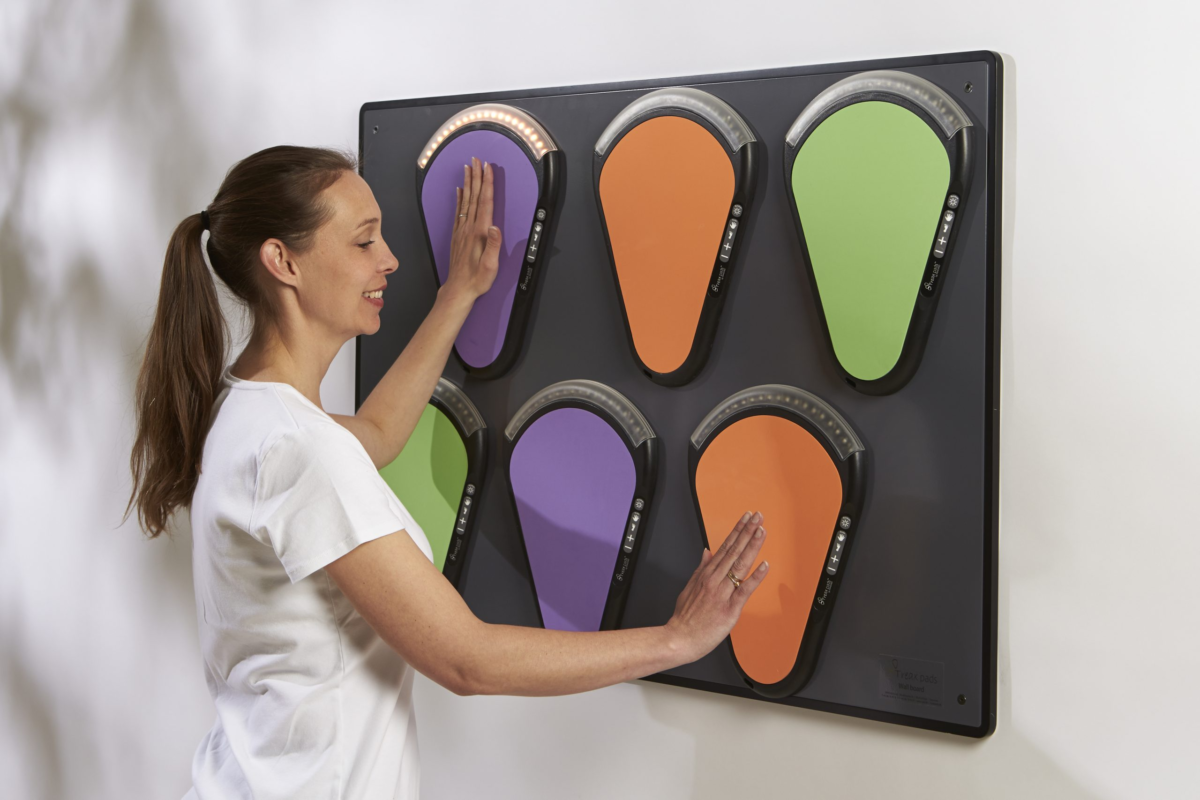
Wireless multi-sensory color-illuminated reaction pads engineered for balance, coordination, cognitive reaction, and agility trainin...
Physiotherapy Division
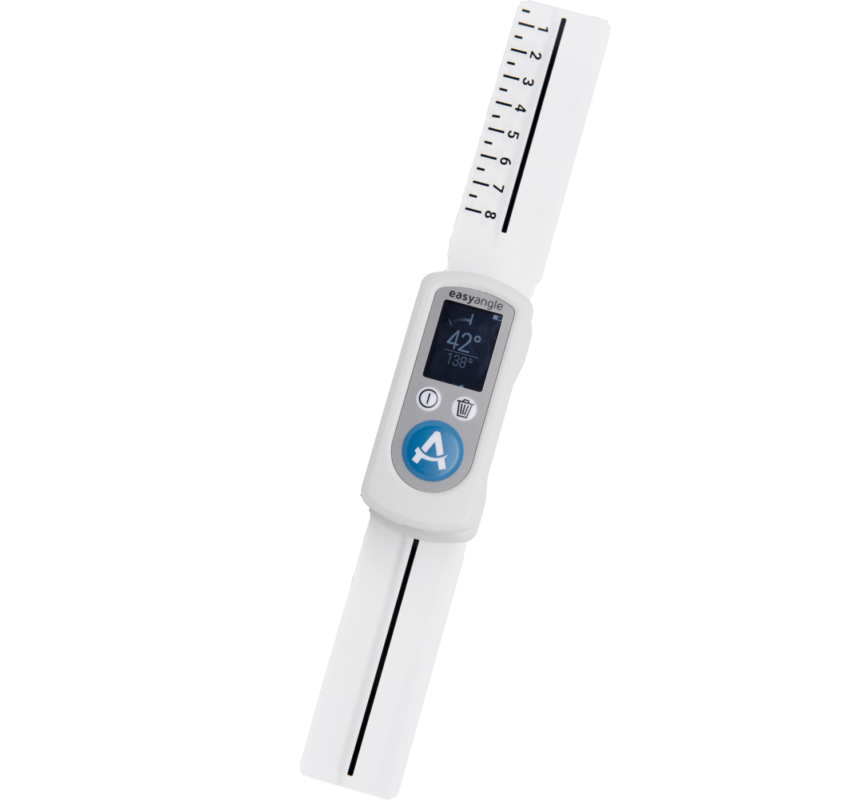
Clinical-Grade Digital Goniometer & Inclinometer with ±1° Precision. The EasyAngle® by Meloq AB (Sweden) is an innovative, all-i...
Magneto Therapy
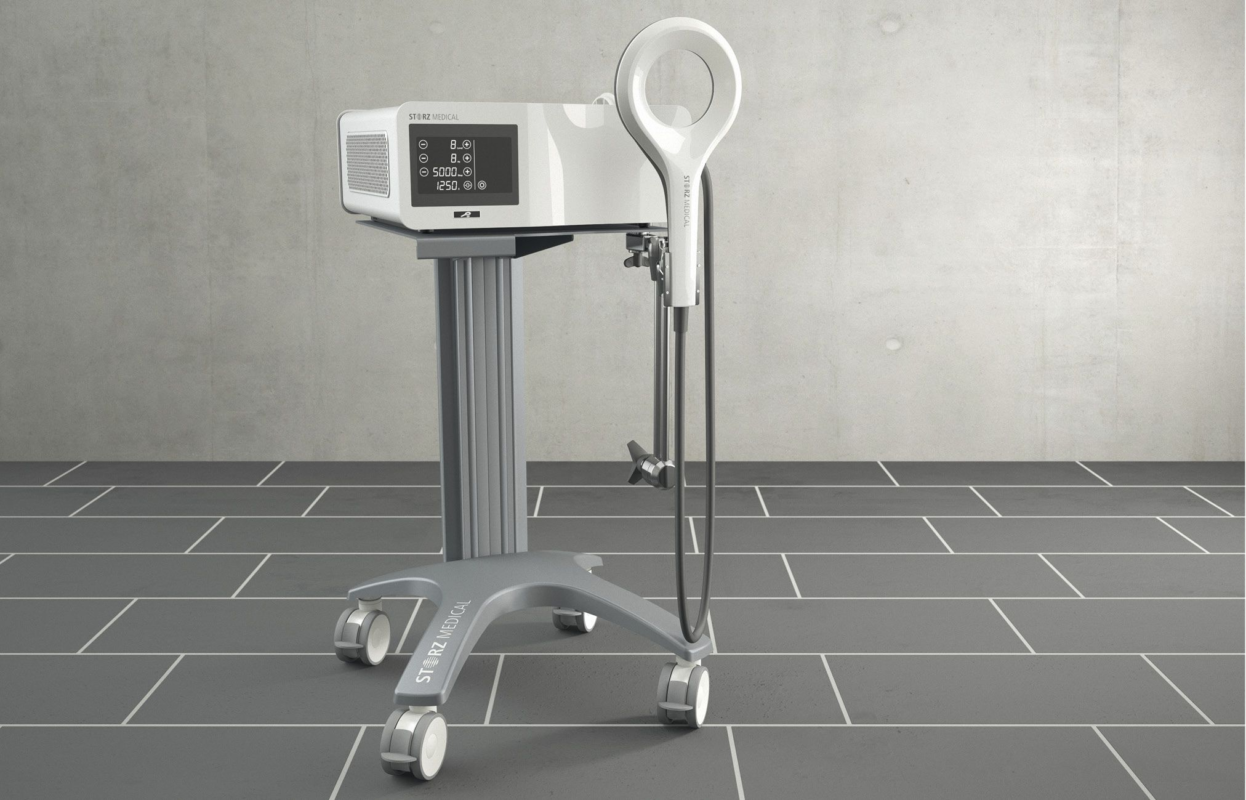
Non-invasive Extracorporeal Magnetotransduction Therapy (EMTT®) device delivering high-energy pulsed electromagnetic fields (>80 ...

Physiotherapy Division
Ultra-portable radial pressure wave device engineered for mobile physiotherapy, athletic training, and outpatient clinical practice ...

Reviews
There are no reviews yet.