

Scoliometer
Measure the Degree of Spinal Curvature The Scoliometer is a valuable tool used to detect asymmetry in the back, which can be an early sign of scoliosis.


$ 184
Clinical Overview & Therapeutic Principles
Measure the Degree of Spinal Curvature The Scoliometer is a valuable tool used to detect asymmetry in the back, which can be an early sign of scoliosis. By measuring the degree of spinal curvature, it helps identify potential scoliosis cases, allowing for early intervention and monitoring. The device is commonly used in screening for scoliosis, and is also useful for tracking the progression of the condition over time. With its simple and non-invasive design, the Scoliometer provides a quick and effective way to assess spinal alignment, aiding in both diagnosis and ongoing management of scoliosis. Simple Test The Scoliometer is used during the Adams forward bend test to assess spinal curvature. During this test, the patient bends forward, attempting to touch their toes, which helps to accentuate any spinal asymmetry. The Scoliometer is then placed on the back at the peak of the curve, where it measures the angle of the spinal deformity. The Scoliometer reading is measured in degrees, and depending on the measurement, it may indicate the presence of scoliosis in the patient. Assists in Selecting the Right Treatment The Scoliometer plays a crucial role in helping doctors determine the appropriate treatment for scoliosis based on the degree of spinal curvature. By accurately measuring the angle of the curve, it provides valuable information that aids in assessing the severity of the condition. This allows healthcare providers to choose the most suitable course of action, whether it involves observation, bracing, or surgical intervention. By monitoring the curvature over time, the Scoliometer helps ensure that treatment decisions are tailored to the individual patient’s needs, promoting the best possible outcome.
Core Therapeutic Capabilities & Innovation
The Scoliometer is a valuable tool used to detect asymmetry in the back, which can be an early sign of scoliosis. By measuring the degree of spinal curvature, it helps identify potential scoliosis cases, allowing for early intervention and monitoring. The device is commonly used in screening for scoliosis, and is also useful for tracking the progression of the condition over time. With its simple and non-invasive design, the Scoliometer provides a quick and effective way to assess spinal alignment, aiding in both diagnosis and ongoing management of scoliosis.
Simple Test
The Scoliometer is used during the Adams forward bend test to assess spinal curvature. During this test, the patient bends forward, attempting to touch their toes, which helps to accentuate any spinal asymmetry. The Scoliometer is then placed on the back at the peak of the curve, where it measures the angle of the spinal deformity. The Scoliometer reading is measured in degrees, and depending on the measurement, it may indicate the presence of scoliosis in the patient.
Assists in Selecting the Right Treatment
The Scoliometer plays a crucial role in helping doctors determine the appropriate treatment for scoliosis based on the degree of spinal curvature. By accurately measuring the angle of the curve, it provides valuable information that aids in assessing the severity of the condition. This allows healthcare providers to choose the most suitable course of action, whether it involves observation, bracing, or surgical intervention. By monitoring the curvature over time, the Scoliometer helps ensure that treatment decisions are tailored to the individual patient’s needs, promoting the best possible outcome.
Measure the Degree of Spinal Curvature
The Scoliometer is a valuable tool used to detect asymmetry in the back, which can be an early sign of scoliosis. By measuring the degree of spinal curvature, it helps identify potential scoliosis cases, allowing for early intervention and monitoring. The device is commonly used in screening for scoliosis, and is also useful for tracking the progression of the condition over time. With its simple and non-invasive design, the Scoliometer provides a quick and effective way to assess spinal alignment, aiding in both diagnosis and ongoing management of scoliosis.
Simple Test
The Scoliometer is used during the Adams forward bend test to assess spinal curvature. During this test, the patient bends forward, attempting to touch their toes, which helps to accentuate any spinal asymmetry. The Scoliometer is then placed on the back at the peak of the curve, where it measures the angle of the spinal deformity. The Scoliometer reading is measured in degrees, and depending on the measurement, it may indicate the presence of scoliosis in the patient.
The Scoliometer plays a crucial role in helping doctors determine the appropriate treatment for scoliosis based on the degree of spinal curvature. By accurately measuring the angle of the curve, it provides valuable information that aids in assessing the severity of the condition. This allows healthcare providers to choose the most suitable course of action, whether it involves observation, bracing, or surgical intervention. By monitoring the curvature over time, the Scoliometer helps ensure that treatment decisions are tailored to the individual patient’s needs, promoting the best possible outcome.
Clinical Indications & Medical Applications
- Measures trunk asymmetry in scoliosis
- Used for both pediatric and adult patients
- Small, non-invasive device
Engineering & Technical Specifications
| Weight | 0.22 lbs |
|---|---|
| Dimensions | 6 × 4 × 2 in |
| Manufacturer | Scoliometer |
Be the first to review “Scoliometer”
Related products
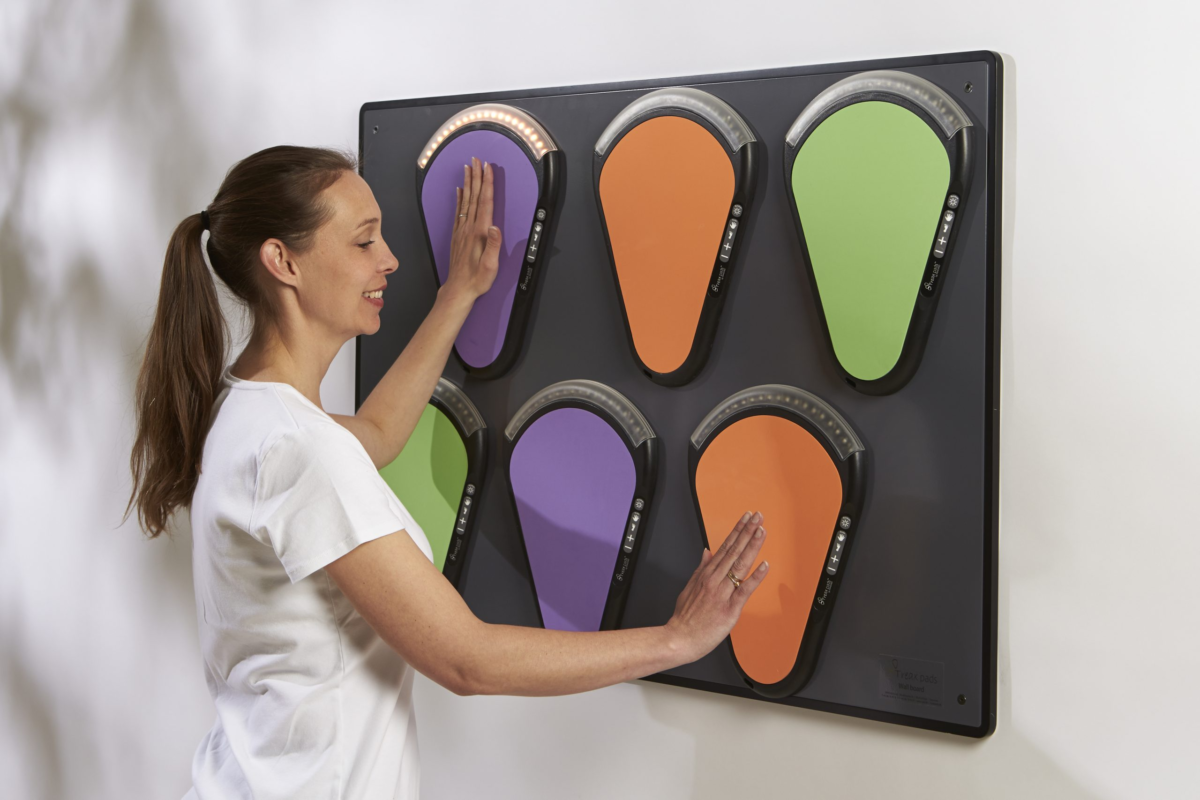
Wireless multi-sensory color-illuminated reaction pads engineered for balance, coordination, cognitive reaction, and agility trainin...
Physiotherapy Division
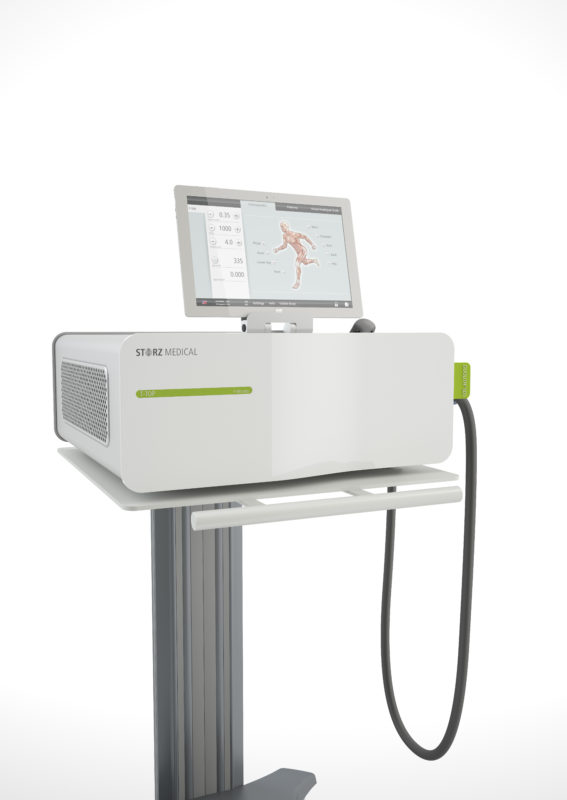
High-precision focused extracorporeal shockwave therapy (F-SW) desktop workstation featuring the ergonomic SEPIA handpiece with inte...
Clinic Equipment
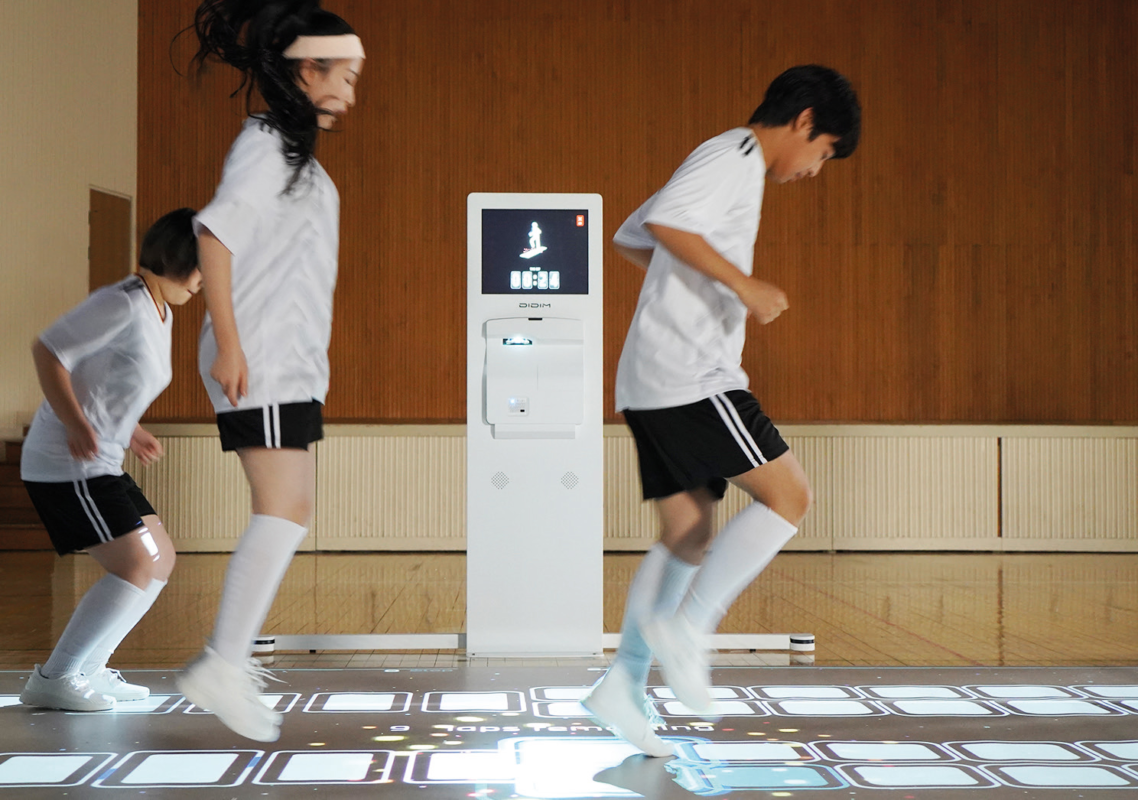
Neofect Smart Playground – Multi-Sensory Interactive Projection Active Therapy Environment
Full-room interactive projection rehabilitation playground spanning up to 8m² of dynamic therapeutic space. Combines ultra-short-thr...
Physiotherapy Division
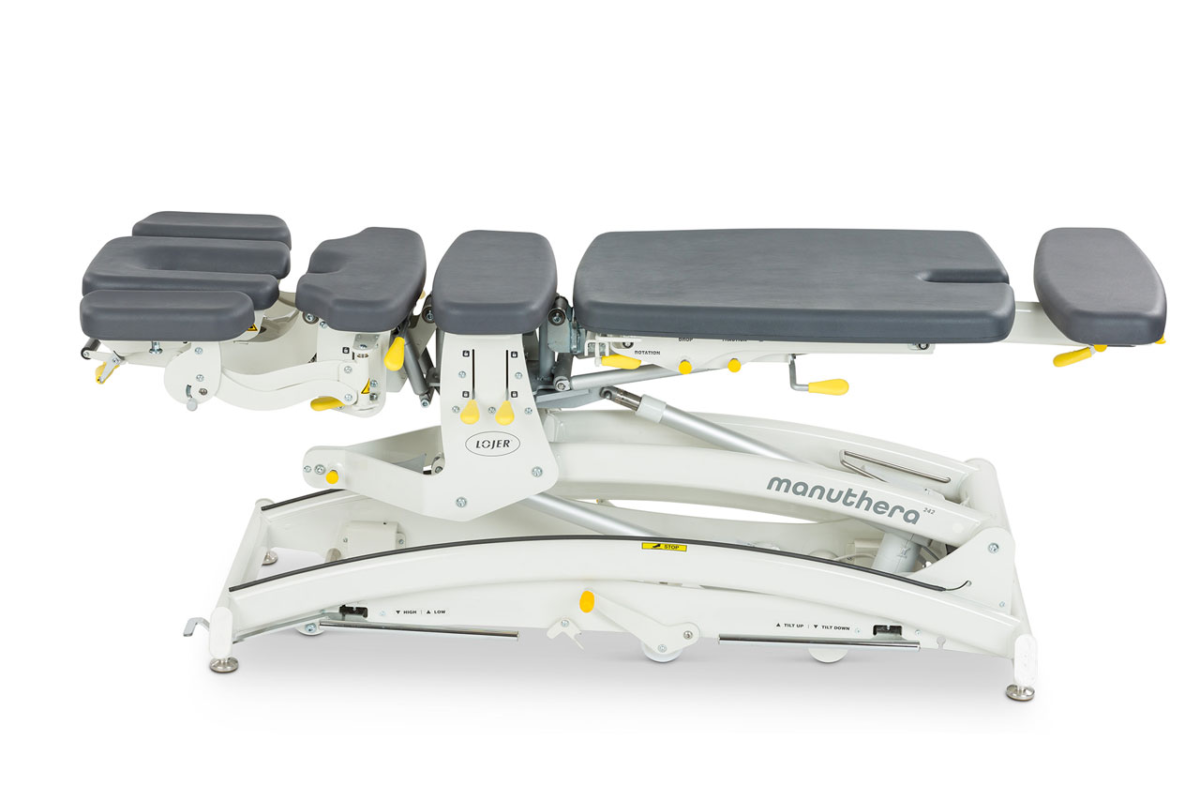
Lojer Manuthera 242 – All-in-One 3D Mobilisation & Manipulation Treatment Table
The Lojer Manuthera 242 is the world's most versatile, patented all-in-one mobilization and manipulation treatment table, engineered...

Reviews
There are no reviews yet.