

Pediatric Finger Pulse Oximeter
A pediatric pulse oximeter is a medical device designed to measure oxygen saturation (SpO2) and pulse rate in children.

$ 214
Clinical Overview & Therapeutic Principles
A pediatric pulse oximeter is a medical device designed to measure oxygen saturation (SpO2) and pulse rate in children. Unlike standard devices, pediatric models are specifically sized for smaller fingers and provide more accurate readings for infants and young patients.
Core Therapeutic Capabilities & Innovation
A pediatric pulse oximeter is a medical device designed to measure oxygen saturation (SpO2) and pulse rate in children. Unlike standard devices, pediatric models are specifically sized for smaller fingers and provide more accurate readings for infants and young patients.
Pediatric pulse oximeters are commonly used to:
Developed as an important physiological parameter involved in respiration and circulation, the multidirectional OLED screen shows an actual graphic display of heart rhythm. Designed to fit the curvature of small fingers, the pulse oximeter provides accurate readings within seconds. Using two AAA-batteries, the finger pulse monitor can operate continuously for 30 hours.
Clinical Indications & Medical Applications
- Monitor oxygen levels in children with respiratory conditions
- Track recovery during illness or post-surgery
- Provide quick, non-invasive readings at home or in clinical settings
- Ensure accurate readings with child-sized sensors
- Used in hospitals, schools, and pediatric offices to quickly measure SpO2 and pulse rate
- FDA and CE approved; non-invasive and easy to use for children ages 2–12
Engineering & Technical Specifications
| Weight | 0.19 lbs |
|---|---|
| Dimensions | 2.25 × 1.35 × 1.3 in |
| Manufacturer | Barrington Ventures Medical |
Be the first to review “Pediatric Finger Pulse Oximeter”
Related products
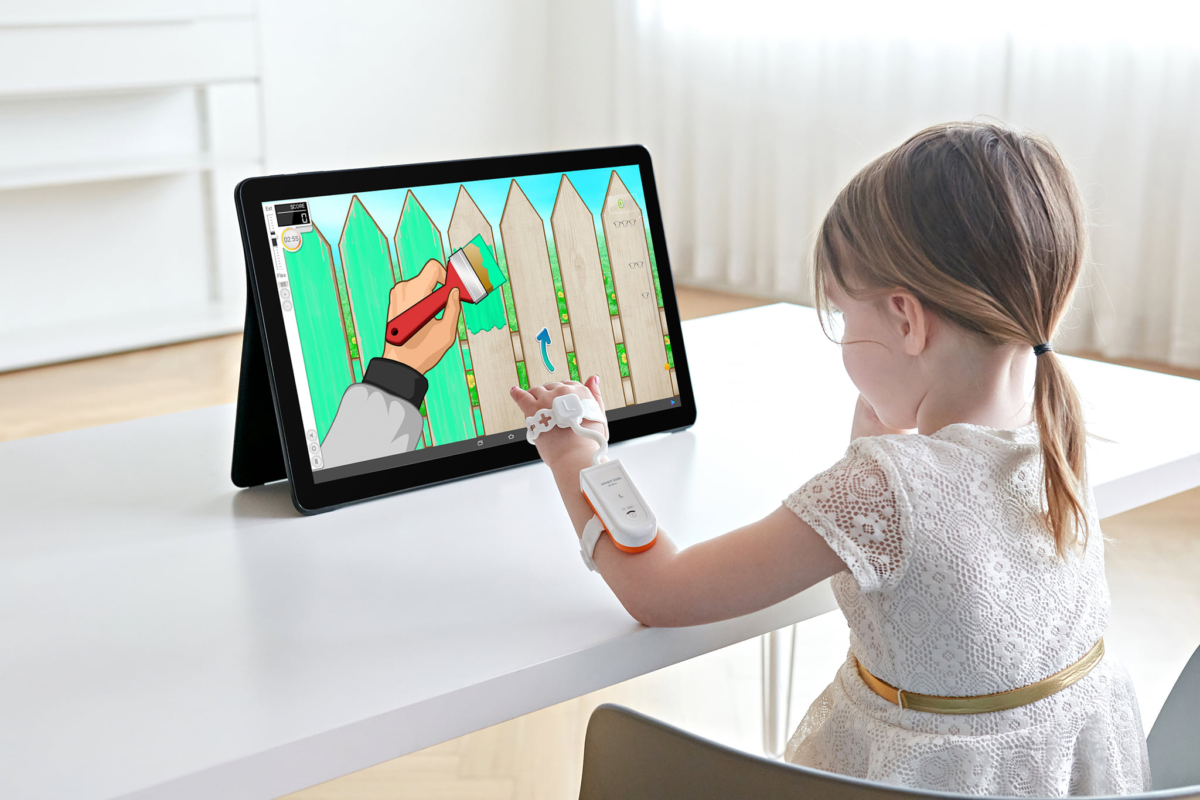
Pediatric digital rehabilitation glove specifically engineered for children aged 4 to 13 with cerebral palsy, developmental delays, ...
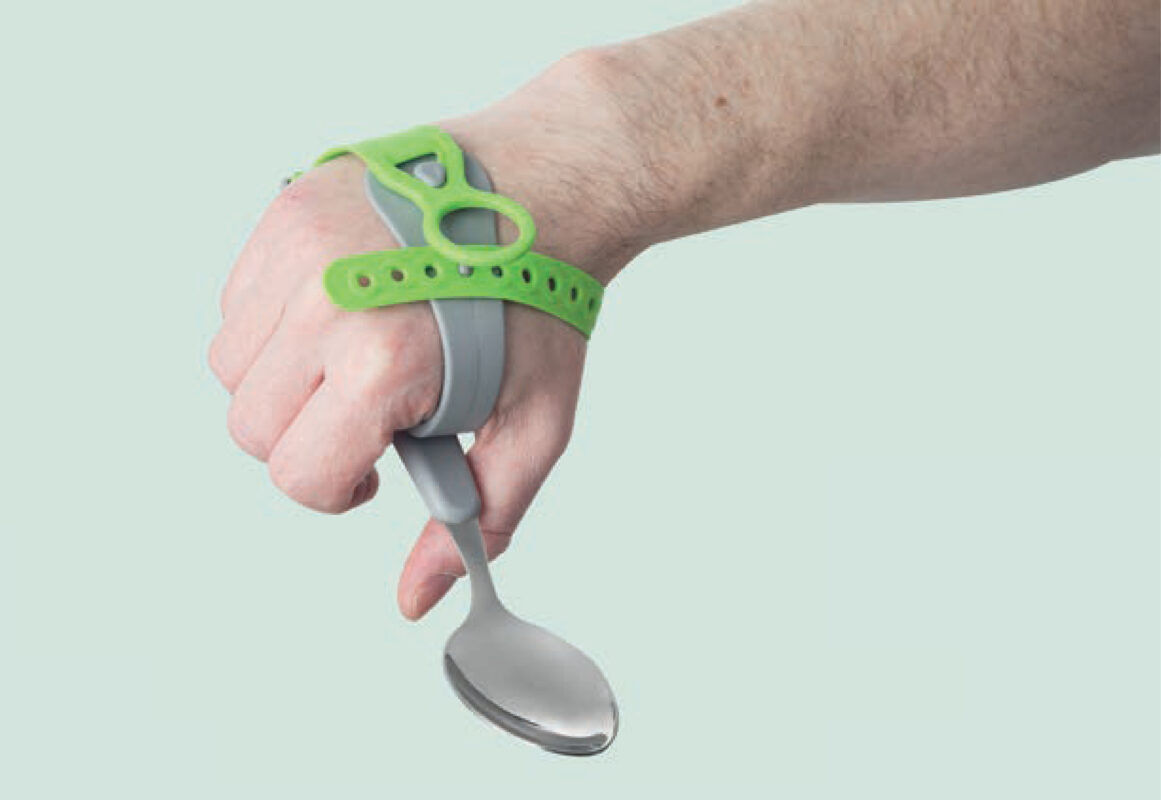
Ergonomic magnetic assistive device designed for individuals with impaired hand grasp, quadriplegia, stroke, and severe arthritis. U...

Upper extremity active range of motion (AROM) and planar reaching workstation engineered for post-stroke hemiplegia, shoulder sublux...
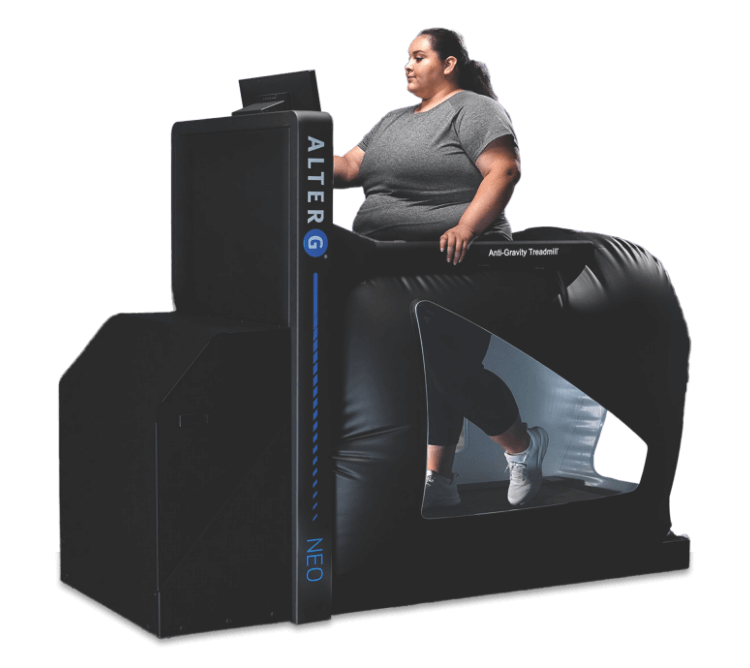
Clinic Equipment
NASA-patented Anti-Gravity Treadmill™ providing precision unweighting from 100% down to 20% in 1% increments for pain-free orthopedi...

Reviews
There are no reviews yet.